As a designer, I hear about usability testing from all sides. The designer is not a user, he is not obliged to know where it is better to put the red button. It cannot know whether the user will click on it. The designer cannot know whether the green color of the sidebar will be liked. The designer creates layouts intuitively. For similar or common cases. Uses current colors. But I think that in any case you need to ask what users think about it. Or at least the owners of the product 🙂
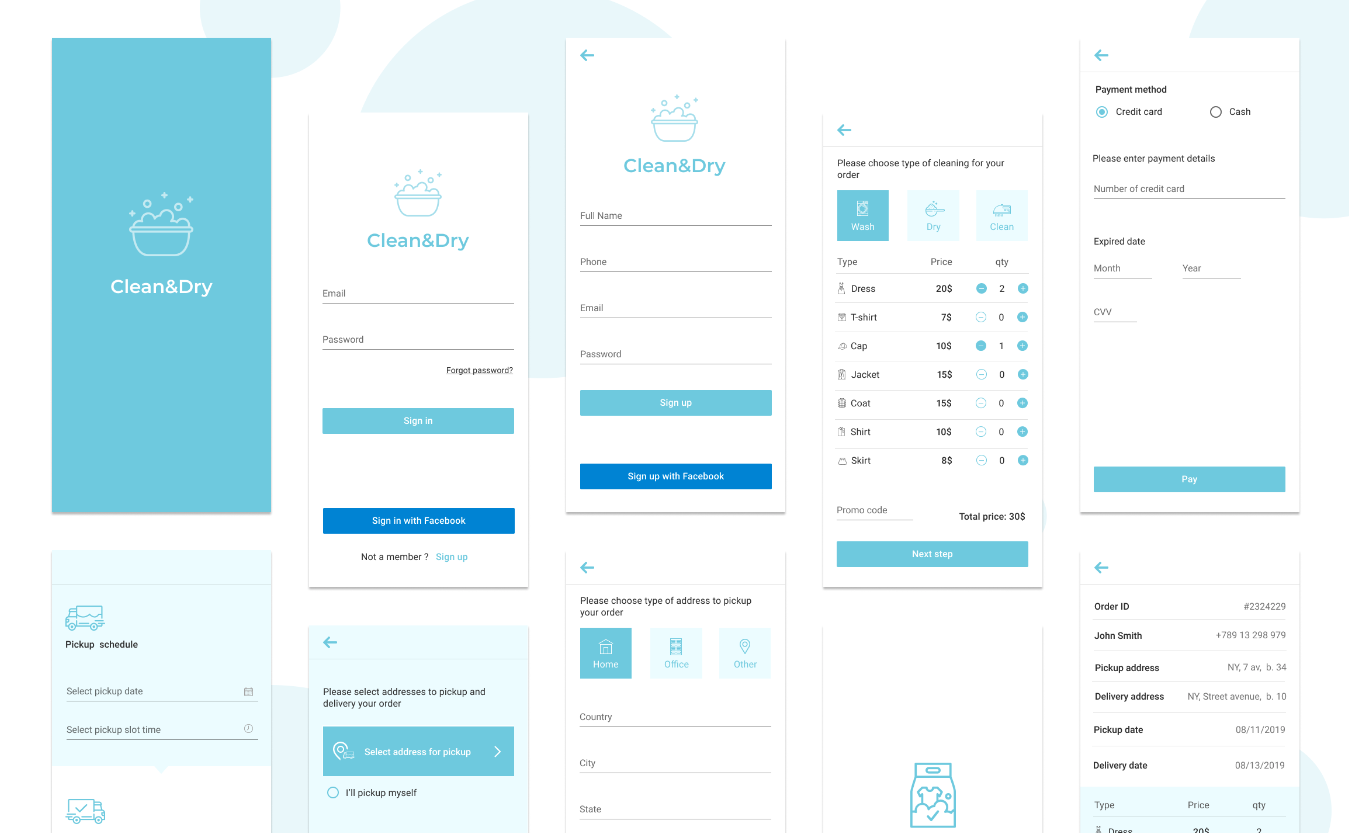
This approach is quite old. Even before the boom of Internet technology, various products were tested - cosmetics, medications, food, etc., etc. Huge divisions of marketers are struggling to attract customers. Of course, websites and interfaces are no exception. We also promote Instagram and YouTube blogs. We study what our subscribers like now. We try to predict and make predictions. And in general, it’s a lot of work to study the psychology of users. Or better said - people. Be able to manipulate their behaviours, push a person to do this or that action on the website. The process is very interesting 🙂 And I think the results can sometimes be quite non-trivial.
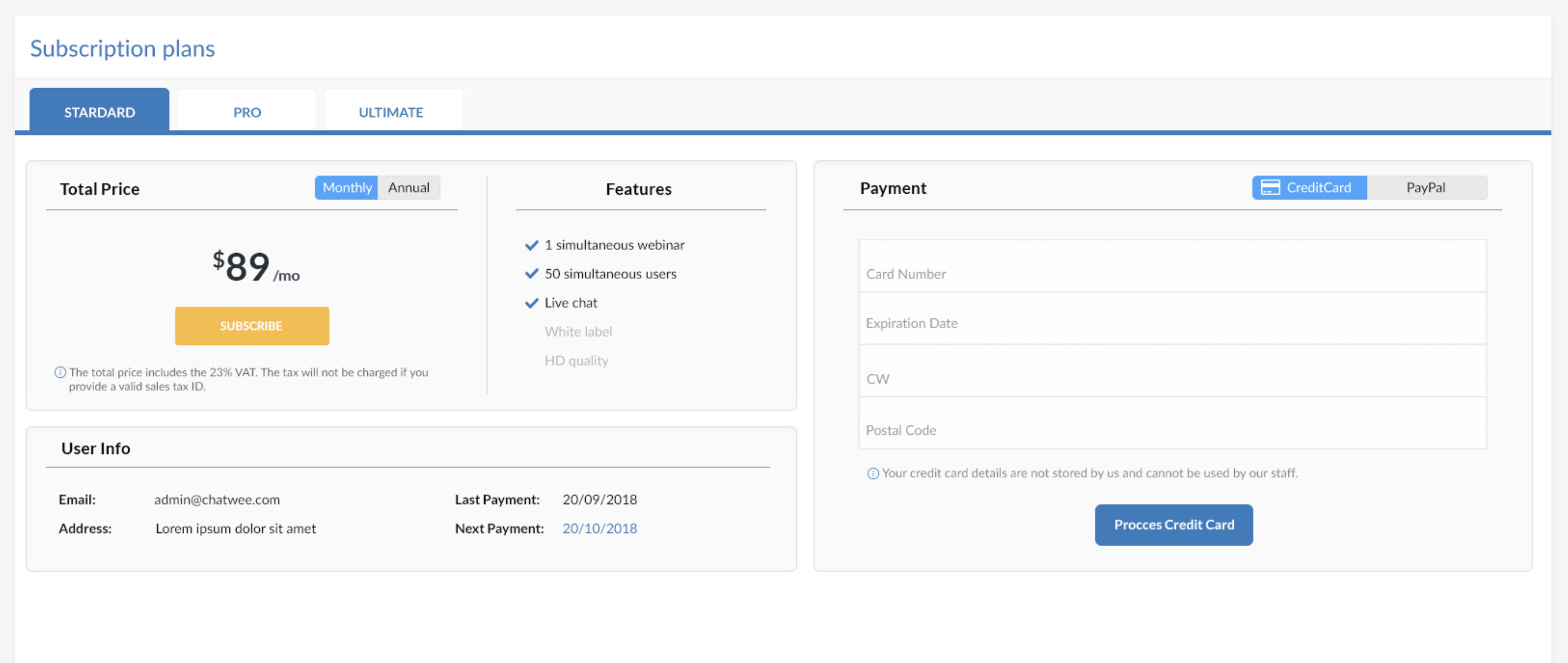
First and most importantly, if your company has never conducted usability testing, then you need to convey that this is necessary. Although it may well turn out that informal testing does exist. What is informal testing? This is asking the opinion of your mother, friends, relatives, etc.
How do I do testing?
1. First you need a plan.
What do I want to know from the user? What feature do I want to test?
2. Next I need users.
I'm creating a portrait of a potential user who will use the application, for example. Nowadays this is called UX persona.

3. Then I need materials.
These can be mock-ups or prototypes. As my practice shows, potential users are not very understand of low-fi prototypes. For them, just gray blocks are incomprehensible. They would like to see the whole picture in a beautiful package. And it would be better even in some ready-made development branch, where everything works as it should.
However, truly interested users can dive into the overall concept. Discuss a common problem, for example, and even offer some ideas. Finding such users is not easy for me. This costs time (and it means money). If the product is new, you usually want to release everything into production as quickly as possible. Although this is also good - you will receive feedback from real users faster.
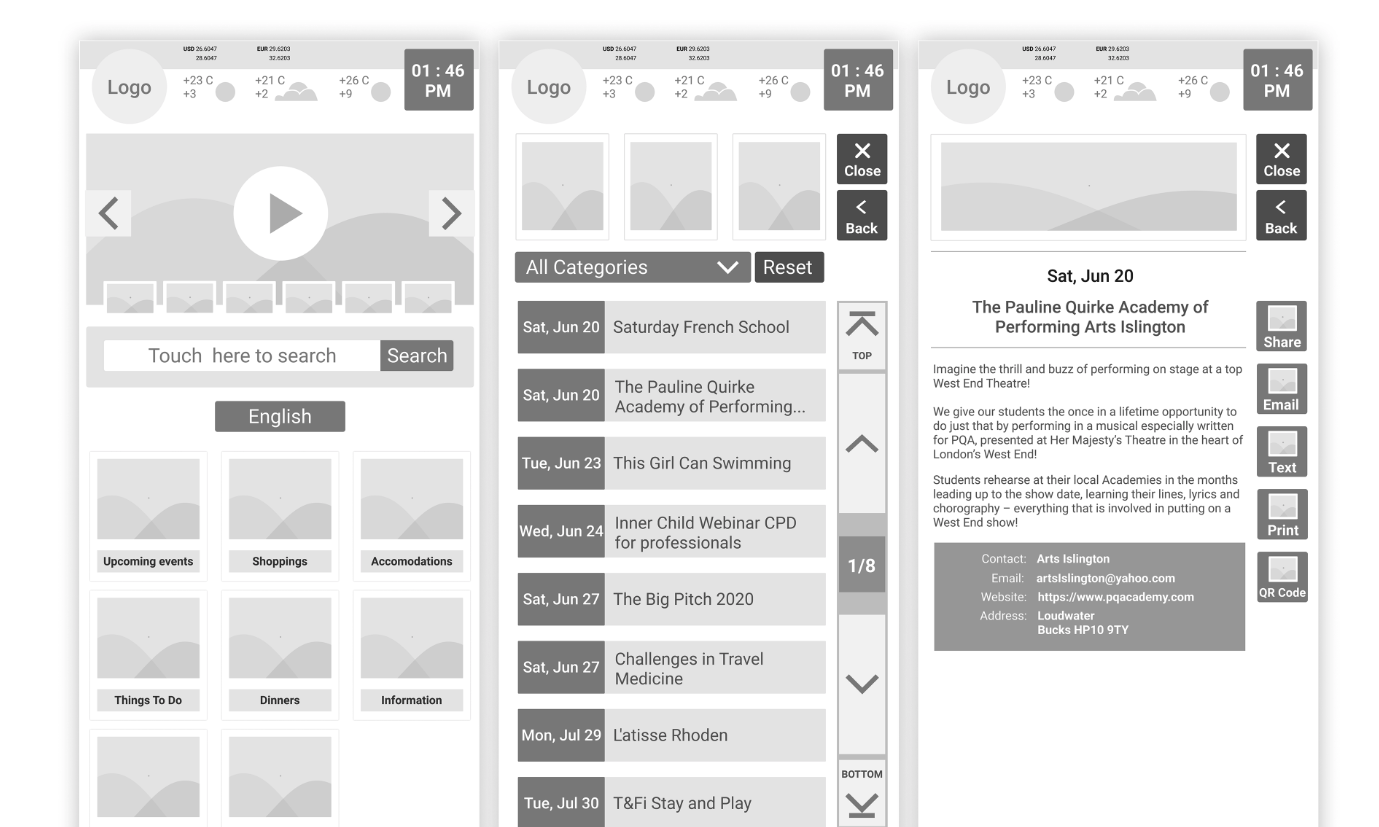
A slight deviation from the topic. I was told that more people write not very good reviews (apparently from a strong impulse of rage) than good ones. Is it true?
4. Now we are thinking about how to show all the materials to users.
You can have a separate meeting in the meeting room. Or conduct an online session with a shared screenshot. Definitely, you need to make sure that the Internet connection is stable, all programs and links open, the microphone works, etc.
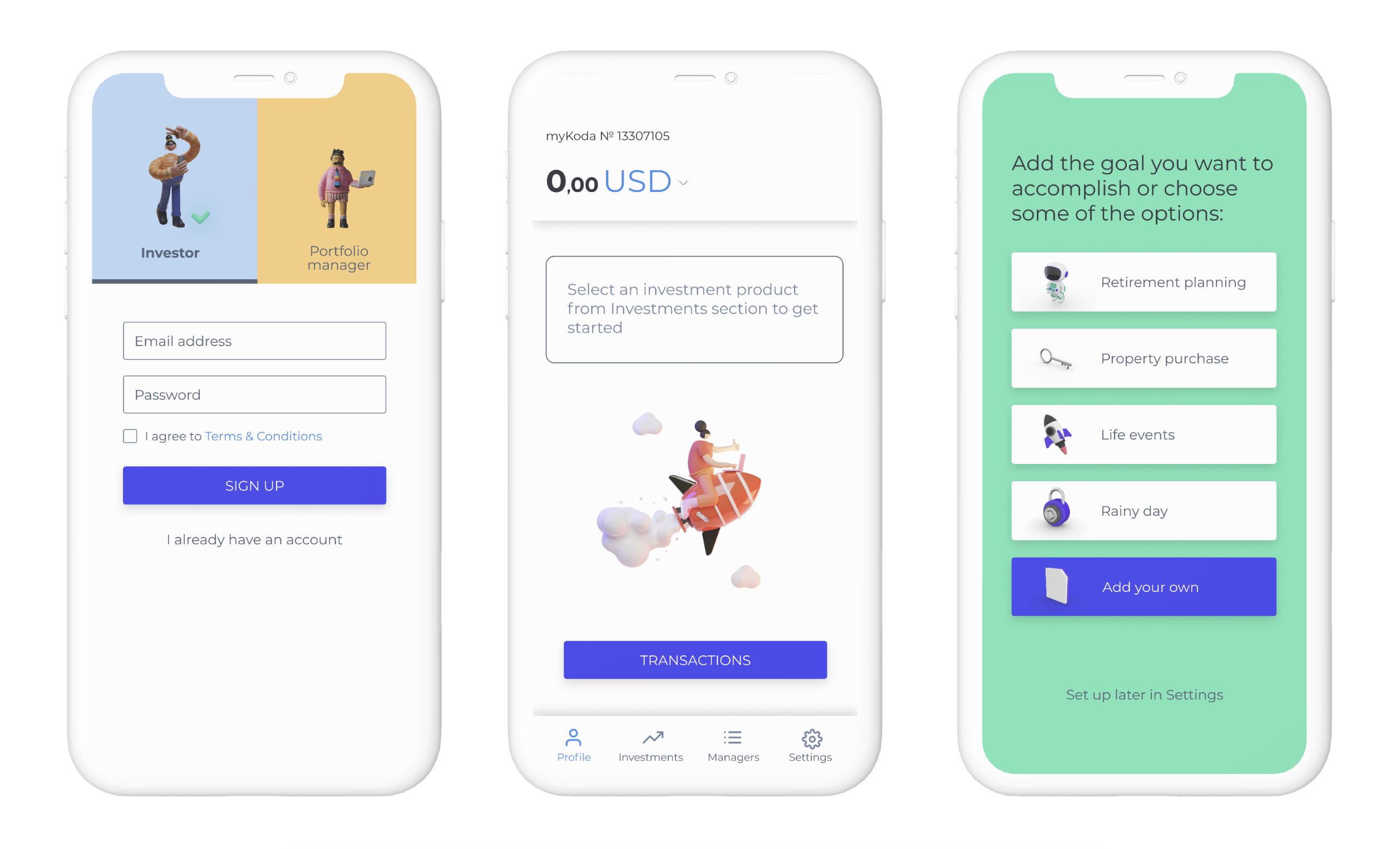
5. The testing itself.
Don't forget to tell the user what to expect. Timing is very important. In my practice, I see that an hour session is a lot. The person gets tired and loses interest. I try to spend no more than 45 minutes testing.
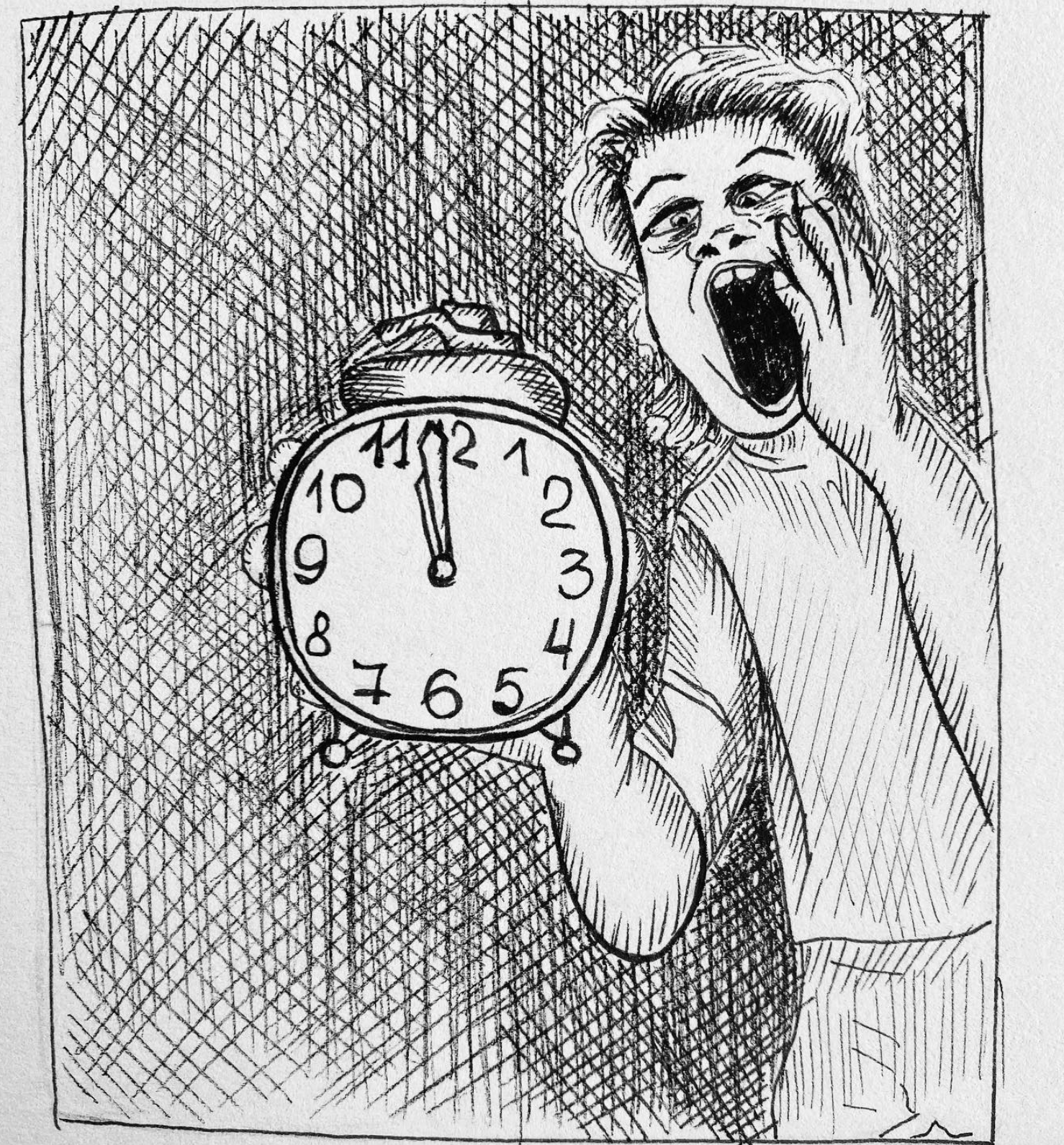
Ask the person to comment on all his actions. You can't read minds, can you? Although at the same moment, capture the emotions. Users can lie 🙂
You can take notes. But it's difficult when I'm testing alone. Then you can ask the user for permission to record the session. In any case, I recommend relying on your memory and intuition. This is probably bad advice, but I use it :)
Be sure to tell the user that we are testing the product, not them. People often begin to reproach themselves for not having guessed about this or that feature. There are no right or wrong answers in usability testing.
6. After the test session, we analyze it.
I usually structure user comments. And usually this is something that is inconvenient to work with. Then we need to think about how to solve these problems.
If this is a developer's ready-made branch, then development errors may occur. Of course, they need to be fixed.

7. And at the end, we submit new ideas to managers, developers, product owners, decision makers... Here we can say that we are returning to the beginning of the design process.
Be prepared that results may not always keep up with business decisions. The user is not always right. Then balance is important. But that’s another topic 🙂


