Marina Abramovic's performance constantly replays in my memory. When she stands in the gallery and allows the public to do whatever they want with her. The result was monstrous. As it turned out, people do not perceive weakness and strive to get rid of it. I can’t explain it to myself otherwise.
In light of success and achievement of career heights, people often choose to “appear” rather than “to be.” Why ? Because they are afraid that they will eat them. Why ? Because there is no support. But inside, everything may be different. So hello to illness, alcoholism, premature old age, the list can be long...
Not everyone can afford a psychologist or even a friend. Therefore, I am sharing here how to get out of post-traumatic stress and still allow yourself to BE.
Why does post-traumatic syndrome occur?
Post-traumatic stress syndrome (PTSS) occurs as a result of experiencing a traumatic event that poses a threat to a person's life, physical or psychological well-being.
Not all people who experience traumatic events develop PTSS, and its causes can vary. Some of the main factors that may influence the development of PTSS include:
1. Severity of injury: The more severe and threatening the traumatic event, the greater the risk of developing PTSS. For example, these could be military battles, accidents, violence, rape or major natural disasters.
2. Duration of trauma: If the traumatic exposure has been prolonged and long-term, such as in the case of chronic violence or prolonged military conflict, the likelihood of PTSS increases.
3. Personal Factors: Individual differences in psychological stability, resilience, and predisposition to anxiety may influence whether PTSS develops.
4. Environmental support: The quality of support from loved ones, friends, and community can significantly influence a person's ability to cope with a traumatic event and prevent the development of PTSS.
5. Background Traumas: Personal characteristics and underlying problems prior to the traumatic event, such as previous traumas, mental disorders, or personality disorders, may increase vulnerability to PTSS.
6. Lack of control: Feelings of loss of control over events or your life can also increase your risk of developing PTSS.
Why does PTSS occur long after the injury
Post-traumatic stress syndrome (PTSS) does not always appear immediately after a traumatic event. In some cases, symptoms may begin some time after the injury, sometimes even months or years later. There are several factors that may explain this delay:
1. Defense Mechanisms: During a traumatic event, the body may activate defense mechanisms such as dissociation (separation of self from reality) or suppression of emotions. These mechanisms may help a person cope with the event, but over time, PTSS symptoms may emerge as these defense mechanisms weaken.
2. Psychological Processing: Processing of the traumatic experience may be delayed. Some people may suppress emotions or try not to think about the trauma to avoid pain and dysfunction. However, these unprocessed emotions may surface later.
3. Complexity of the Stress Response: PTSS is a complex response to stress that includes physiological, psychological, and behavioral aspects. The progression of the syndrome may take time for all of these aspects to begin to interact and manifest.
4. Psychological Coping Mechanisms: Sometimes people who have experienced a traumatic event have a need to “survive” first. They may suppress their emotions and focus on surviving and adapting. Symptoms of PTSS may begin when this immediate need becomes less critical.
How to properly experience emotions after stress
Experiencing emotions after stress is an important part of psychological healing. Here are some strategies that can help you process emotions properly after stress:
1. Allowing Emotions: Give yourself permission to feel and express your emotions. Don't suppress them or ignore them. Understanding and acknowledging your feelings is the first step to overcoming them.
2. Communication: Talk to close friends, family members, or a professional therapist. Sharing experiences and feelings can help you make sense of what is happening and gain support.
3. Journal Entry: Write your thoughts and feelings in a journal. This can help you express emotions and also track changes in your condition over time.
4. Physical activity: Exercise can help release tension and stress, and stimulate the production of endorphins, which improve your mood.
5. Meditation and Relaxation: Meditation, deep breathing and relaxation techniques can help relieve stress and improve emotional well-being.
6. Developing Coping Strategies: Work on developing positive strategies for coping with stress. These could be problem-solving techniques, changing your thinking, or setting healthy boundaries.
7. Professional help: If necessary, seek professional help. Therapists and counselors can provide support and resources to effectively manage stress and emotions.
8. Self-care: Ensure you get healthy sleep, proper nutrition and regular self-care. This is important for your overall physical and emotional well-being.
Remember that each person is unique and the way they approach emotions may vary. It's important to find strategies that work for you and don't be shy to ask for help if needed.
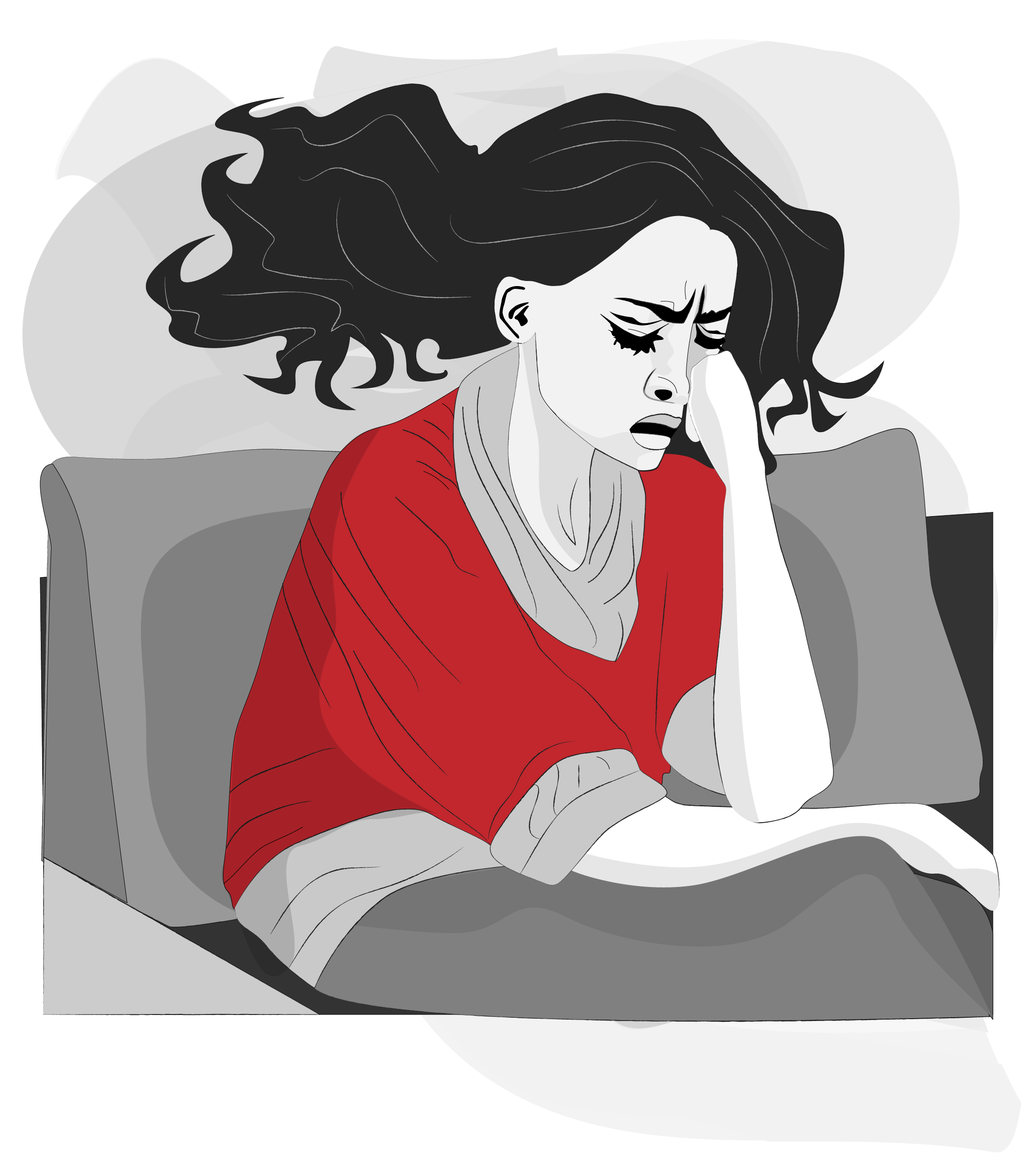
How to allow your emotions
1. Emotional Awareness: Start by being aware of exactly what emotions you are feeling. Name them and give yourself the right to their existence.
2. Don't judge emotions as "right" or "wrong": It is important to understand that all emotions are a natural part of the human experience. There are no “right” or “wrong” feelings.
3. Accept your emotions: Allow yourself to feel what you feel without judgment. Accepting your emotions doesn't mean you agree with what caused them, but it does allow you to start working through them.
4. Don't suppress emotions: Suppressing emotions can cause them to build up and eventually become more intense. Let them come out.
5. Avoid Self-Judgment: Don't judge yourself for your emotions. Emotions are often the result of internal and external influences, and you can't always control how you feel.
6. Talk about your emotions: Talking about your feelings with trusted friends, family, or professionals can help you better understand yourself and gain support.
7. Use creative methods: Writing, drawing, music - a variety of creative methods can help you express and process your emotions.
8. Meditation and mindfulness practices: These techniques help increase awareness of the moment and promote healthier perception and processing of emotions.
It is important to remember that allowing emotions is a process and can take time and effort. Be patient with yourself and open up to your emotions gradually.

Creative methods of working with emotions
Creative methods can be an effective way to work with emotions, helping you express, understand and process your feelings. Here are some creative methods:
1. Painting and drawing:
Creating artwork can be a way to express difficult emotions. It doesn't matter how good you are at drawing; Self-expression is important.
Draw without thinking about what will happen. Just let your hand move and express your feelings with colors, shapes and lines.
2. Letter:
Journaling, writing letters to yourself or others (even if they are not sent) can help put emotions into words.
Try writing a letter to someone who evoked strong emotions in you. This can help you express your feelings and become aware of them.
3. Music:
Listen to music that suits your mood. It can be calm and soothing, or energetic and pronounced.
Play musical instruments if you have the opportunity. It can also be a great way to express emotions.
4. Dance:
Dance movements can help release tension and express emotions.
Dance the way you feel. Don't be afraid to be free to move.
5. Theater:
Role-playing and performing in theater can help you look at your emotions in new ways, recreate scenarios, and even change your perspective.
Try playing a scene in which you can express your emotions.
6. Photo:
Capture the moments that make you emotional. This may be useful for later analysis and discussion with professionals or friends.
Experiment with photographs to convey a mood or feeling.
7. Working with clay or sculpting:
Making a mold out of clay can be a physical way of processing emotions. You can give form to your feelings.
Try to sculpt something that symbolizes your experience or how you feel.

How to work with traumatic memories
1. Gradual memory:
Start with small, easier pieces of memory and gradually move towards more difficult ones. This can help you avoid over-stressing and overthinking.
Mindfulness (mindfulness):
Practicing mindfulness can help you stay in the present moment despite difficult memories. Focus on your breathing and current sensations.
2. Trauma Release Therapy (EMDR):
This is a form of therapy that uses eye movements and other stimuli to help process traumatic memories. Effective for many people with PTSS.
Cognitive Behavioral Therapy (CBT):
CBT can help you change negative thinking and behavioral patterns associated with traumatic memories.
3. Self recording:
Writing down your memories in a journal can help you acknowledge and express your feelings. Try to analyze these recordings to understand your reactions.
Trauma Response Research:
Understand how your body and mind react to traumatic memories. This can help you better understand your reactions and develop strategies for regulation.
4. Relaxation techniques:
Use relaxation techniques such as deep breathing, meditation, and progressive muscle relaxation to reduce the physiological stress associated with traumatic memories.
Visualization of safe places:
Practice visualizing safe and calming places where you can retreat when traumatic memories arise.
5. Group support:
Joining a support group or discussing your memories with people who have gone through similar traumatic events can be helpful.
6. Taking time:
Be patient with yourself. Processing traumatic memories is a process that requires time and support.
7. Avoid alcohol and drugs:
Using alcohol and drugs may temporarily relieve symptoms, but in the long term they can make the problem worse.
Why work with traumatic memories
Dealing with traumatic memories can be an important part of the psychological healing process, especially with post-traumatic stress syndrome (PTSS) or after experiencing major traumatic events. Here are some reasons why working with traumatic memories can be helpful:
1. Relieving emotional stress:
Processing traumatic memories can help you release emotional tension associated with past events. This allows you to better manage your emotions and experiences.
2. Overcoming Repetitive Traumatic Scenarios:
Working through memories can help you overcome recurring traumatic scenarios that may arise in your mind. This allows you to change your perceptions and reactions to past events.
3. Acceptance and awareness:
Working with traumatic memories helps you accept and understand what happened. This can lead to a better understanding of your own reactions and behavioral patterns.
4. Relieving PTSS Symptoms:
Processing traumatic memories can reduce the intensity of PTSS symptoms such as flashbacks, nightmares, hyperarousal, avoidance, and others.
5. Regaining control:
Working through traumatic memories can help you regain a sense of control over your life, freeing you from the influence of past traumas.
6. Reducing nervous system hyperactivation:
Traumatic memories can cause physiological hyperactivation. Processing these memories can help reduce neural activation and associated symptoms.
7. Changing Negative Beliefs:
Traumatic events can give rise to negative beliefs about oneself, others, and the world in general. Working with memories allows you to reconsider these beliefs and adopt healthier perspectives.
8. Reducing avoidance and isolation:
People facing trauma sometimes avoid situations or places that remind them of past traumatic events. Working with memories can help reduce this fear and avoidance.
9. Building resources and growth:
Dealing with traumatic memories can be part of your psychological growth and development. You can develop new ways of coping with difficult situations and become more resilient to stress.


